
Expedition
Northern Flowlines
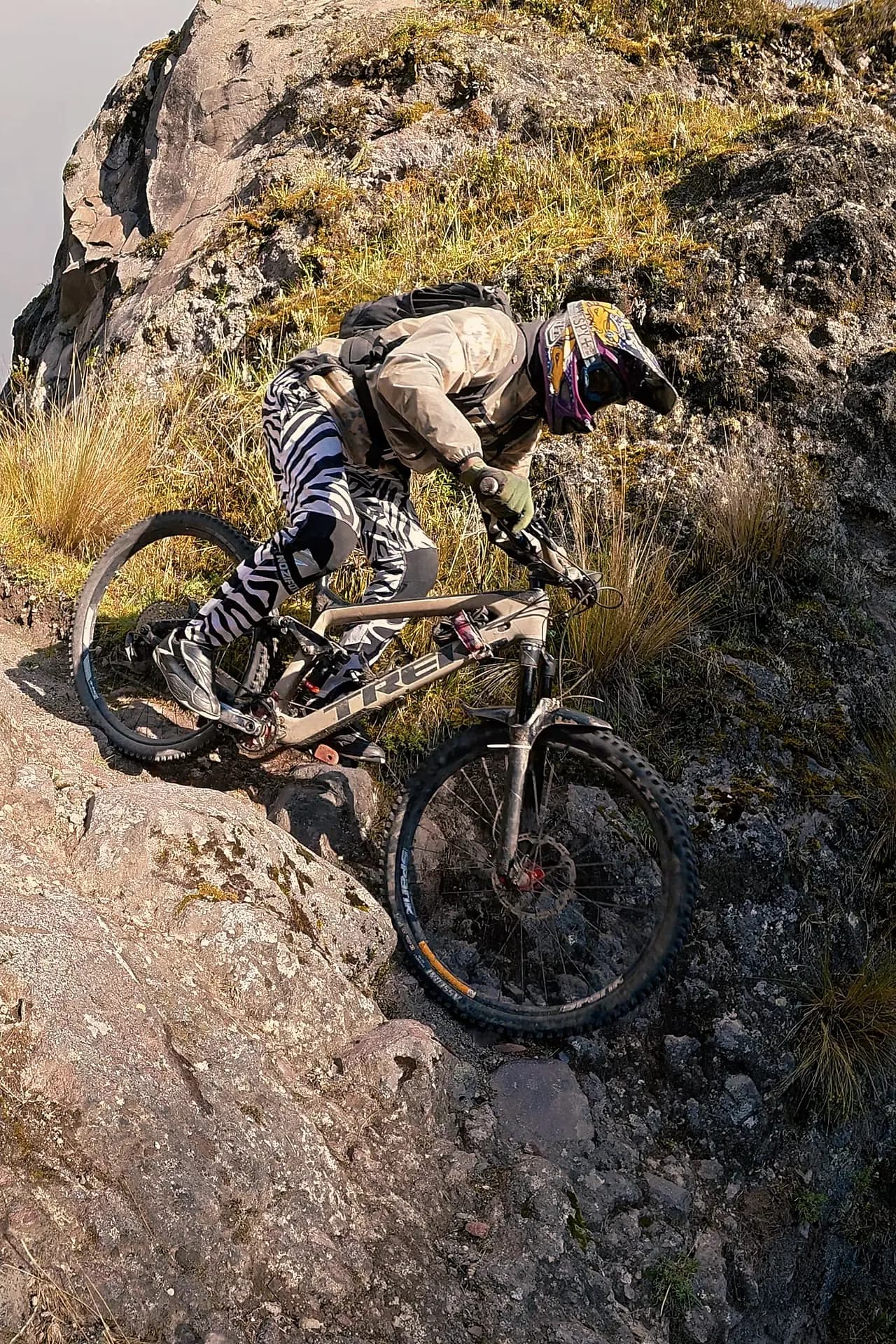
A compact private enduro expedition across Quito's mountain context, Ibarra's local riding zones, the Chota Valley and the dry natural-flow descents of northern Ecuador.
Expeditions
Northern Flowlines
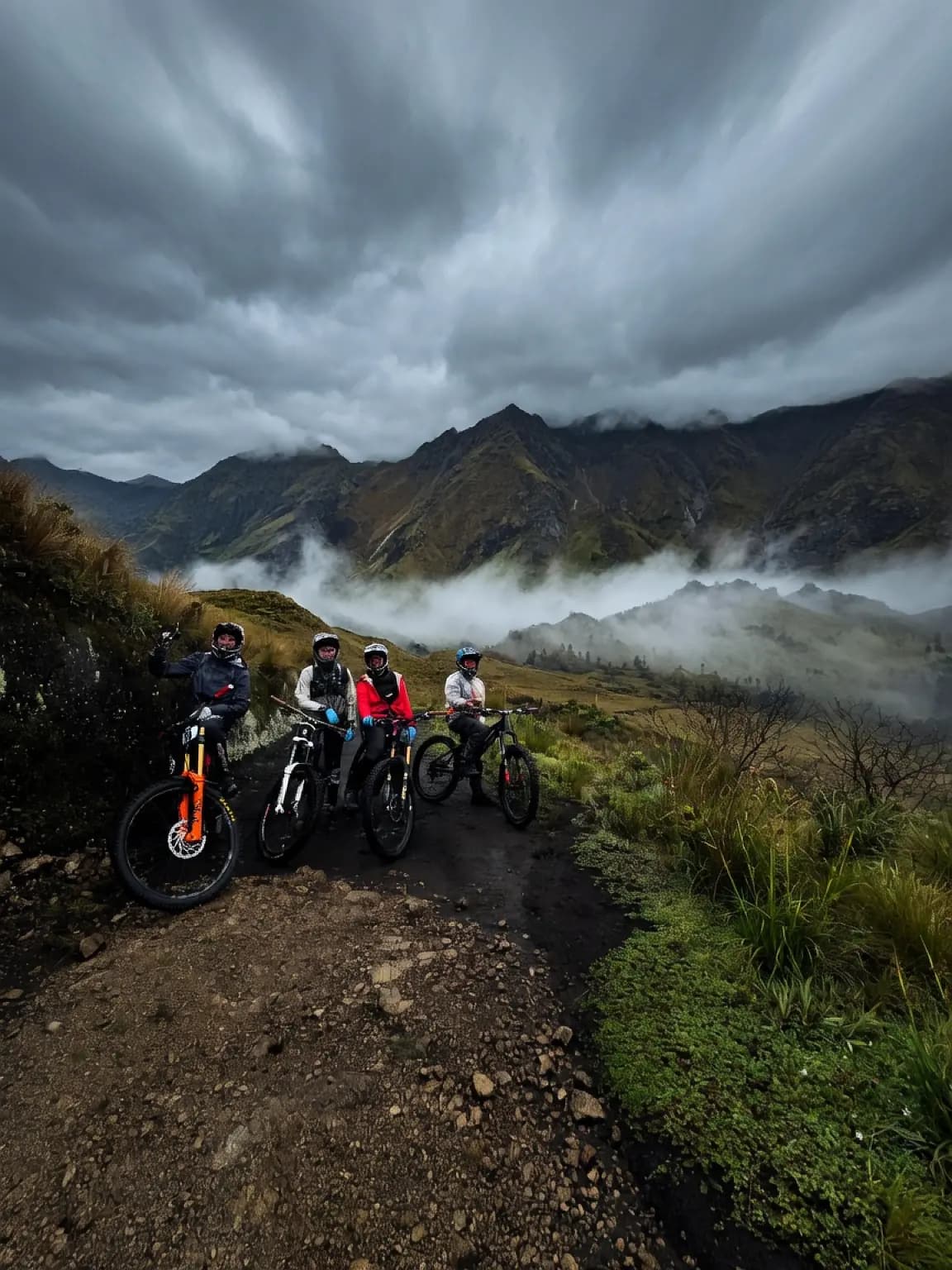
Northern Flowlines is a compact private enduro expedition built around the warm, dry and highly rideable terrain of northern Ecuador. The trip begins in Quito with a cultural and riding introduction before moving north toward Ibarra, Yahuarcocha and the Chota Valley — one of the most distinctive dry riding zones in the Ecuadorian Andes. Across six days, riders experience a concentrated mix of natural enduro, shuttle-supported descents, dry valley flowlines, technical terrain and one major multi-ecosystem traverse through páramo, cloud forest, agricultural corridors and arid Chota terrain. Rather than stretching across the country, Northern Flowlines focuses on riding density, efficient logistics and deep access to the northern Andes — a shorter but serious Ecuadorian riding experience: compact, private, fast, natural and deeply connected to the terrain.
Includes
- Private departure on request (1 to 8 riders)
- Shuttle-supported enduro expedition
- Compact accommodation structure around Ibarra / Yahuarcocha
- Shared occupancy accommodation (single-room upgrade on request)
- Breakfast daily, with picnic lunches on the main riding stages
- Dinner on arrival in Ibarra and after El Brutal
- Guide-led navigation, terrain and pace management
- Basic field repairs and mechanical assistance
- Local operational insurance coverage
- Arrival in Quito / departure transfer from Ibarra toward Quito or UIO
Expedition flow
Northern Flowlines
01
Arrival & Quito introduction
The expedition begins in Quito with flexible airport transfers, rider arrivals and a welcome briefing focused on trip flow, acclimatization, safety and riding preparation. The first riding day starts with a focused introduction to Quito's historic center before the Casitagua ride above the city — cultural context, gradual adaptation to altitude and a first contact with Andean riding through loose dirt, dry-forest terrain and fluid downhill. The day continues near Mitad del Mundo and Museo Intiñán before transferring north toward Ibarra.
02
Northern Andes & Ibarra base
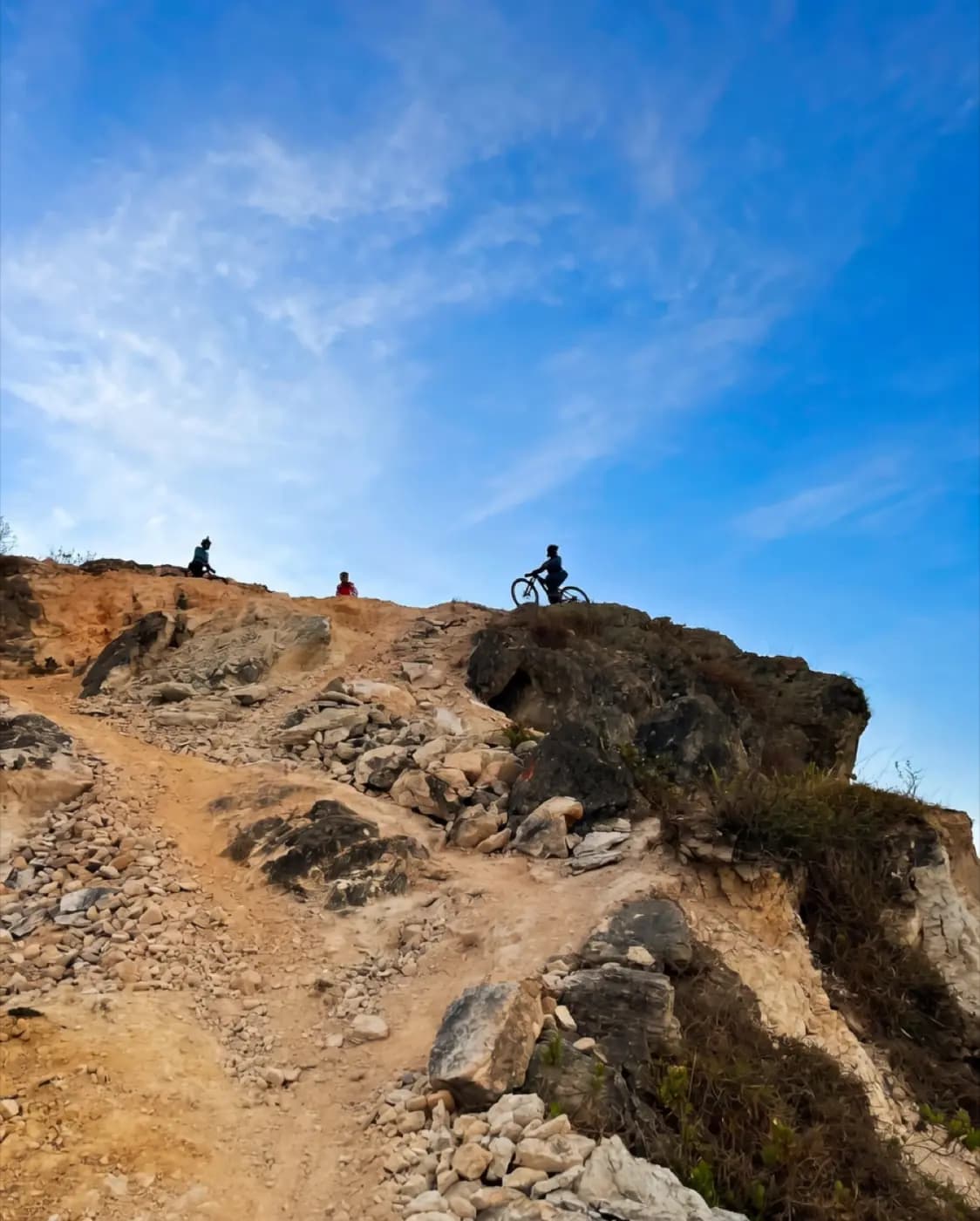
After leaving Quito, the expedition settles into the northern Andes around Ibarra and Laguna de Yahuarcocha — direct access to dry mountain riding zones, local trail networks and valley landscapes. The region offers a different rhythm from the central volcanic highlands: warmer temperatures, loose dirt, dry forest, fast natural flow and a more direct connection between riding zones. The northern Andes are also a cultural corridor shaped by highland communities, agricultural landscapes and the historic connection between Indigenous, rural and Afro-Ecuadorian territories. The structure is intentionally compact, keeping riders in the north rather than moving between distant bases.
03
El Brutal & multi-ecosystem traverse
The first full northern riding stage is one of the most complete rides of the trip. El Brutal is not simply a downhill run — it is a full mountain traverse connecting páramo, cloud forest, bamboo corridors, agricultural land, dry forest and the arid terrain above the Chota Valley in a single line. The ride combines major descent, sustained pedaling, ecosystem change and long mountain movement, giving riders a clear view of the human geography of the northern Andes as the landscape shifts from cold highland grasslands toward the Afro-Ecuadorian cultural landscape of the Chota Valley.
04
Chota Valley & dry natural flow
The Chota Valley section is the signature riding core of Northern Flowlines. The terrain becomes warmer, drier, looser and more expressive — natural flowlines, dry dirt, rough texture, ridgelines and fast descents. The valley also carries one of the strongest cultural identities of northern Ecuador: dry mountains, valley agriculture, Afro-Ecuadorian heritage, heat, music and local movement. The signature day combines two major descents — Chota 2500 (fast natural flow, rhythm, linked turns and major vertical drop) and Chota 5000 Patagonia (a more technical, terrain-driven counterpoint with close to 900 vertical meters). Route selection adapts to rider level, trail conditions and group rhythm.
05
Final Ibarra session & flexible departure
Rather than ending with an immediate return to Quito, Northern Flowlines closes in the north. The final riding session around Ibarra has a more relaxed rhythm after El Brutal and the Chota Valley — one last local trail session, bike packing and recovery, with a final night in the northern region. The departure day is flexible: depending on flight schedules, the transfer out from Ibarra may include a short stop in the Otavalo area before continuing toward Quito or the airport.
Itinerary overview
Northern Flowlines
Day 1
Arrival in Quito
Arrival in Quito, flexible airport transfers, hotel check-in, bike build, equipment preparation and welcome briefing. The expedition begins with time to rest, adapt to altitude and align on safety, logistics and the riding journey ahead.
Day 2
Quito / Casitagua / Intiñán / transfer north
A focused introduction to Quito's historic center gives riders a first sense of the capital before the opening ride above the city. Casitagua starts the expedition with a fun, fluid downhill through loose dirt and dry-forest terrain, followed by a lunch stop near Mitad del Mundo and a visit to Museo Intiñán, where Ecuadorian cultural references and equatorial geography add context before the transfer north toward Ibarra.
Day 3
Northern flowlines / El Brutal
El Brutal is a full mountain traverse starting high in the páramo and descending through cloud forest, bamboo corridors, agricultural land, dry forest and the arid terrain above the Chota Valley. More than a downhill run, this is one of the most complete riding days of Northern Flowlines — endurance, ecosystem change, local mountain corridors, cultural landscapes and major descent in a single line.
Day 4
Chota Valley signature lines / Chota 2500 + Chota 5000 Patagonia
The signature Chota Valley riding day links two major descents through one of northern Ecuador's most distinctive riding and cultural landscapes. Chota 2500 delivers fast natural flow, rough texture, linked turns and more than 1,100 vertical meters of descent, while Chota 5000 Patagonia adds a more technical, terrain-driven line with close to 900 vertical meters. Route selection remains flexible according to rider level, trail conditions and group rhythm.
Day 5
Final Ibarra riding session / farewell night in the north
The final riding day stays in the northern region with a selected Ibarra-area trail session adapted to group energy, trail conditions and timing. After several demanding days, this stage closes the trip with a more relaxed rhythm, local flow, bike packing and a final night in the north.
Day 6
Transfer out from Ibarra / optional Otavalo stop
Final transfer out from Ibarra toward Quito, the airport or onward travel, depending on each rider's departure schedule. For afternoon or evening departures, the transfer may include a short stop in the Otavalo area, time permitting. Early departures may require a direct transfer.
Expedition video
Watch the expedition video
Terrain, rhythm, landscapes and riding level — see what you're booking.
Logistics & accommodations
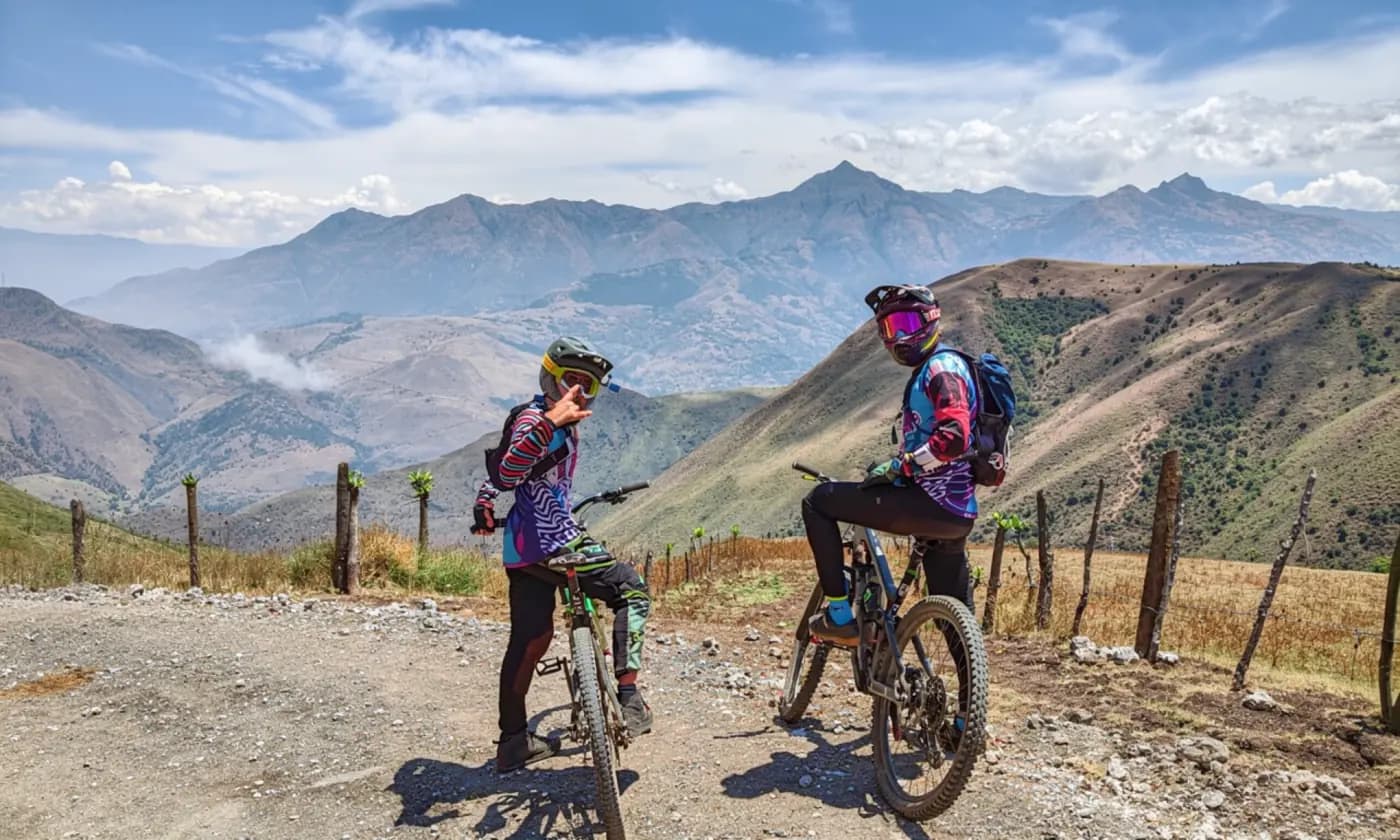
Northern Flowlines is designed around a compact accommodation structure that keeps the trip efficient and focused on riding. The expedition begins in Quito and then moves north toward the Ibarra / Yahuarcocha region, which becomes the main base for the core riding days — reducing unnecessary hotel changes, packing time and logistical fatigue while keeping riders close to the northern trail zones. Accommodations are selected for practical access, comfort, recovery and flow between riding stages. The expedition price is based on shared occupancy accommodation; single-room accommodation may be arranged upon request, subject to availability and an additional single supplement. Vehicle support, equipment handling and daily transitions are managed throughout the trip so riders can stay focused on the riding rather than the logistics.
Rider & expedition information
Riding style & difficulty
Experienced intermediate to advanced enduro riding. Designed for riders comfortable with natural terrain, loose surfaces, changing grip, sustained descents, dry conditions, shuttle-supported riding and full days on the bike. The terrain can become demanding at speed but stays highly rideable when approached with control, patience and good judgment. Riders should be comfortable with attention, confidence, line choice and solid bike control through changing trail conditions.
Fitness requirement
Moderate to high. Riders should be comfortable with repeated riding days, long descents, sustained time on the bike and sections that may include pedaling or pushing depending on route conditions. El Brutal is the most physically demanding day, combining major descent with pedaling sections, ecosystem transitions and a long mountain traverse.
Elevation
Northern Flowlines moves through a wide range of Andean elevations, from Quito's mountain setting to higher páramo zones and the warmer dry valleys of the north. A progressive start in Quito precedes the move into the northern Andes, where riders experience clear changes in temperature, terrain, vegetation, cultural landscape and riding rhythm.
Weather & conditions
Conditions change across regions, elevations and sides of the Andes, often within the same day. The trip is built around reading local terrain and adapting to real conditions. The northern riding zones are generally warmer and drier than the central highlands, but rain, fog, sun, wind and changing temperatures can still be part of the experience; route selection and daily flow may adapt to access, terrain quality, weather and group energy.
Food & recovery
Breakfast is included throughout, according to hotel schedules and departure times. Ride-day food support is included on the main riding stages through practical picnic lunches — included during El Brutal and the Chota Valley riding day. Dinner is included upon arrival in Ibarra and after El Brutal. Some meals are intentionally left open. Alcoholic beverages, extra drinks, personal snacks and meals outside the planned food support are not included unless stated.
Safety & support
A controlled group structure with guide-led navigation, terrain management and pace coordination on every stage. Riders remain aware of group flow and follow guide instructions closely during descents, regrouping points and transitions; hydration planning, pacing, route management and vehicle coordination are integrated throughout.
Mechanical support
Basic field repairs and mechanical assistance are available throughout. Riders are still expected to arrive with properly maintained equipment.
Medical & emergency
Emergency response and evacuation logistics are planned per riding zone and regional access. Response times may vary with terrain, access and location.
Insurance
Personal travel and medical insurance with mountain biking coverage is required. Gravity Lines also includes local operational insurance as part of the expedition; riders are responsible for ensuring their personal policy covers adventure sports, medical treatment and international travel.
Bike rentals
Performance-oriented enduro and downhill rentals can be arranged for riders traveling without equipment, subject to availability and advance reservation.
Built for riders who want the dry northern Andes at full rhythm — compact, private, fast, natural, culturally rich and deeply connected to the terrain.
Explore expeditions
View all expeditions
Expedition
Highline Traverse
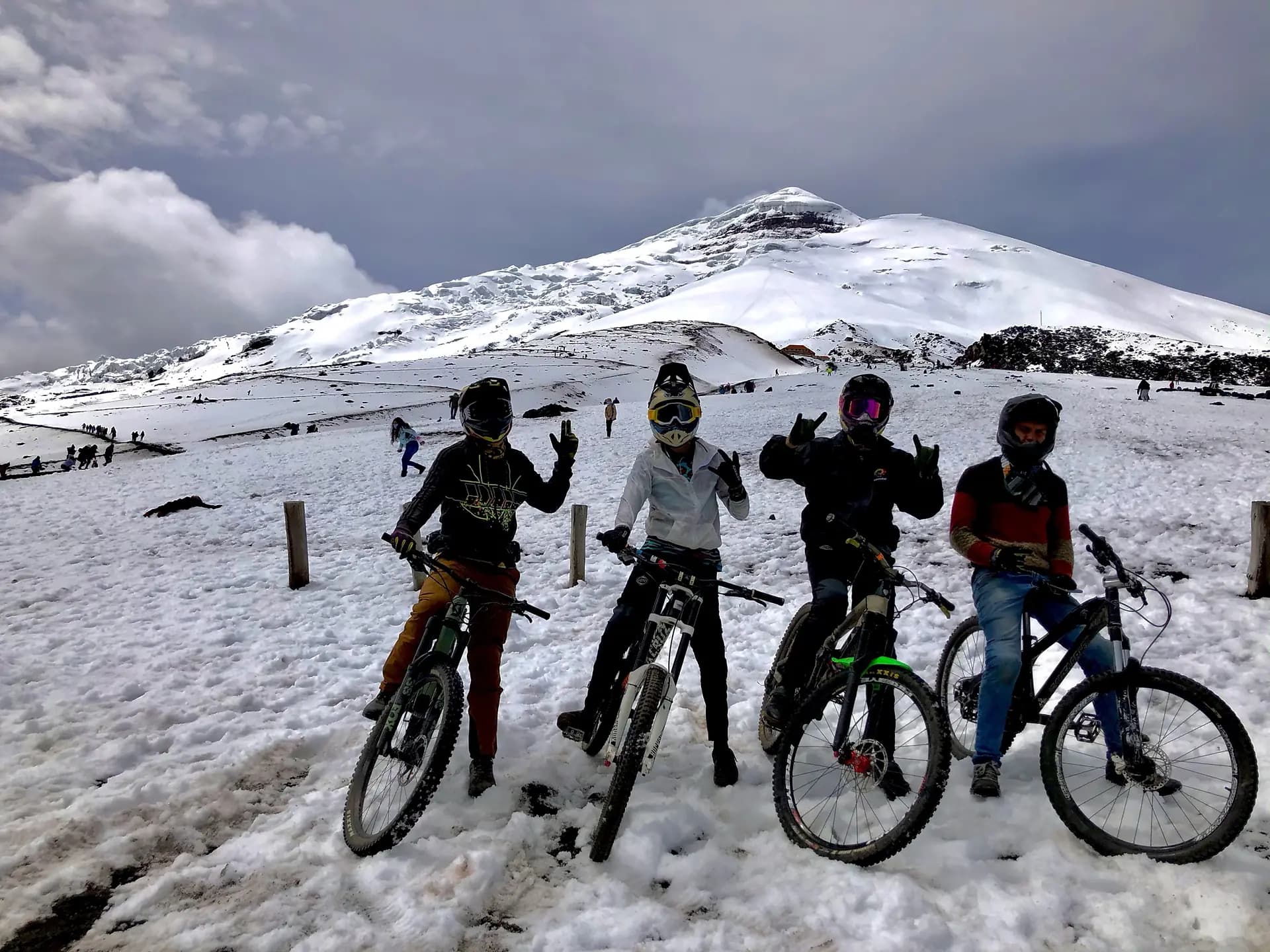
A multi-region gravity expedition across volcanic descents, high mountain corridors and the most representative riding zones of the Ecuadorian Andes.
- Location
- Central & Northern Ecuador
- Duration
- 9 days / 8 nights
Expedition
Central Icons
A compact but serious enduro expedition through Ecuador's central volcanic corridor, connecting Quito, Cotopaxi, Mamarumi and Chimborazo.
- Location
- Quito, Cotopaxi & Chimborazo
- Duration
- 6 days / 5 nights
Ready to ride the Andes?
Request your dates or ask anything about our expeditions. WhatsApp is the fastest way to reach us.